
CNY in Singapore
How Pineapple Tarts Became a CNY Tradition in Singapore
Oct
In this guide
Pineapple tarts bring together pastry, pineapple filling and an auspicious meaning at Chinese New Year. Their place on Singapore’s festive tables has connections to local food cultures and gift-giving. Looking at the cultural accounts and dated recipe references helps separate their background from the customs we recognise today.
Local roots, with more than one origin account
Pineapple tarts are associated with Peranakan cooking, but their origins are not described identically by every source. SG101’s heritage article presents both Peranakan and Eurasian accounts and describes the pastry as a product of cultural exchange. The accounts connect the pastry with more than one community; they do not identify an agreed inventor.
A documented place in cookbook history
One dated reference comes from Mrs Susie Hing’s In a Malayan Kitchen, published in 1956. The National Library Board’s BiblioAsia article on Straits-born cuisine describes the book as including open tarts and closed, pineapple-shaped versions.
This records different forms in a mid-century cookbook. It does not mean pineapple tarts were first invented in 1956, or that today’s ball-shaped products follow that exact recipe.
Why “ong lai” matters at Chinese New Year
The Singapore Chinese Cultural Centre explains the association through Hokkien: the sound of ong lai, the name for pineapple, resembles an expression for prosperity arriving. See its Chinese New Year snack guide.
The sound association gives the pastry an auspicious meaning for the year ahead. For the meaning behind serving and giving them, read why pineapple tarts are eaten during Chinese New Year.
Different forms of the familiar pineapple tart
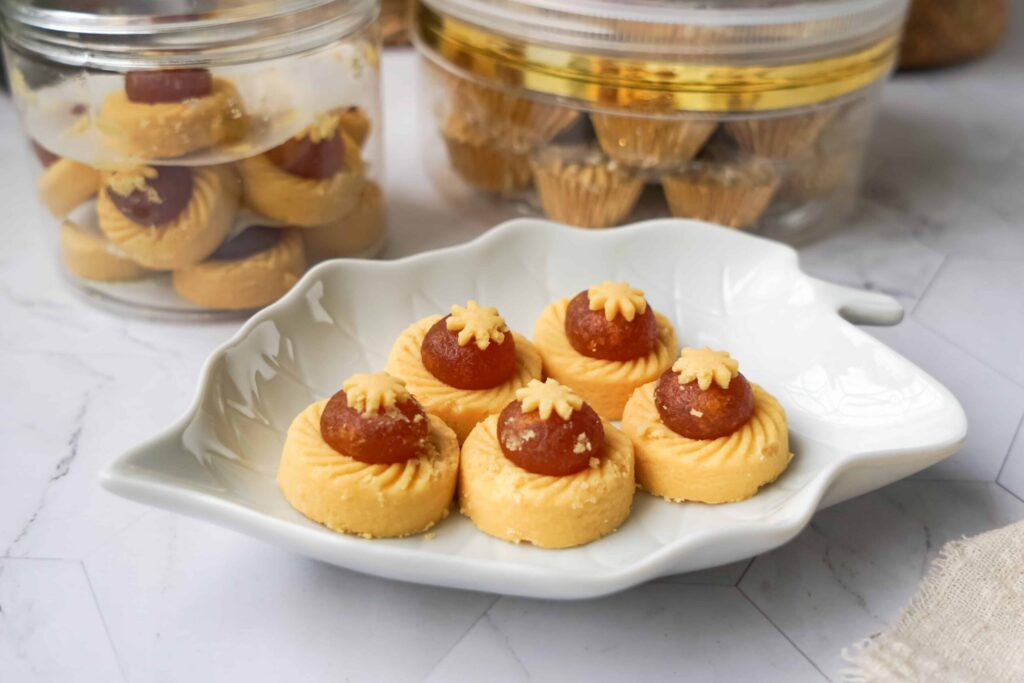
You can see the difference between open and enclosed styles in the current range. Nyonya Pineapple Tarts have visible pineapple jam on a pastry base. The French Butter Pineapple Ball is an enclosed ball-style option.
There are also flavour variations. The current Pandan Pineapple Ball product description specifies pandan pastry with pineapple jam. These are product examples to compare, not evidence that one modern recipe is the original historical tart.
A gift carrying a New Year wish
Giving pineapple tarts can express a wish for prosperity. SG101 describes that connection between festive gifts and well-wishing.
If you are choosing a gift, begin with the recipient: which style do they enjoy, how will they serve it, and do they need ingredient information? Check the actual pack size and presentation rather than assume every jar comes in a gift box.
Sharing the tradition in your own way
An open-faced tart and a pineapple ball offer different formats of pastry and filling. Choose the one you enjoy, or serve a small selection with the varieties clearly identified. Keep the packaging available so guests can check the ingredients.
You might keep a familiar open-faced favourite on the table and add an enclosed variety for guests who prefer that format. Choosing a selection can make the differences part of the conversation.
Bringing pineapple tarts to your CNY plans
Browse the pineapple tart range at CNYGoodies.sg to compare current options. Before ordering for visits or gifts, check the product information and the delivery or collection choices available for your plans. The cultural story adds meaning to the gift; the practical details help you choose it well.
Questions about pineapple-tart history
Who invented pineapple tarts?
The reviewed heritage accounts do not identify one agreed inventor. SG101 presents Peranakan and Eurasian accounts; it is more accurate to acknowledge these connections than assign the pastry to one person.
Were open and closed pineapple tarts already recorded in 1956?
NLB’s discussion of Susie Hing’s 1956 cookbook describes both open tarts and closed, pineapple-shaped tarts. That dated reference records the forms; it does not establish when either was invented.
Are today’s pineapple balls the same as those historical closed tarts?
The cookbook discussion describes pineapple-shaped tarts with spikes. It does not prove that a particular modern ball-style product uses the same shape, recipe or method. Compare current products on their own descriptions.
More CNY shopping guides
Make choosing, gifting and planning a little easier.
Best CNY Goodies for Gifting Family, Friends and Clients
Choose goodies for family visits, friends and business gifts.
Read guide
Budget CNY Goodies Singapore: Best Value Festive Snacks Without Compromising Taste
Compare your options and plan a selection around your budget.
Read guide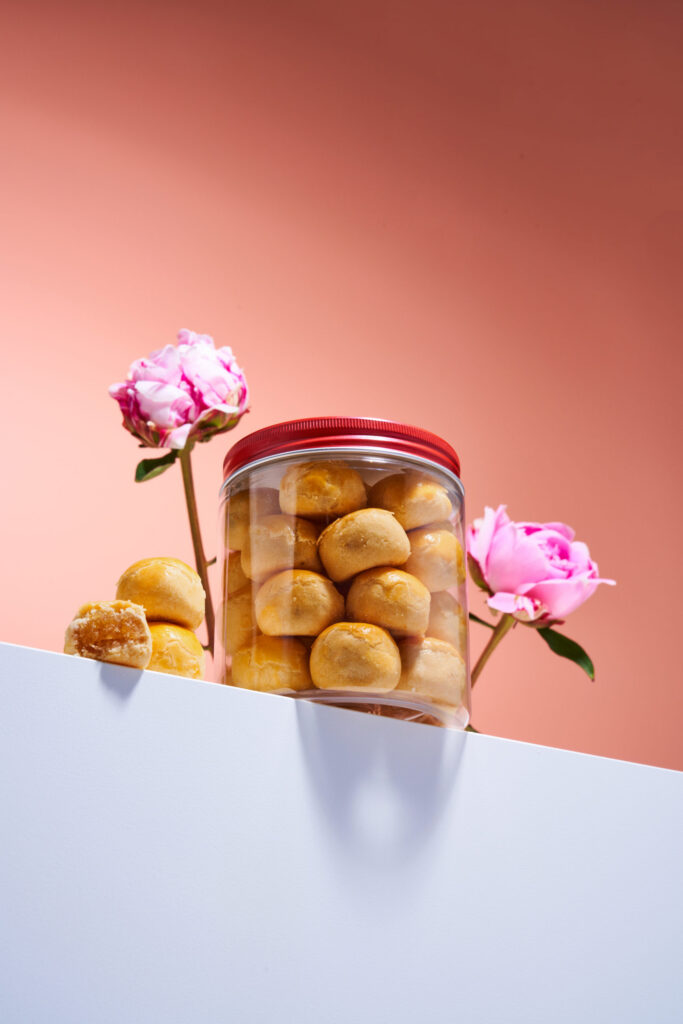
How Many Jars of Pineapple Tarts to Buy for CNY Visits in Singapore
Plan quantities for visiting, gifting and sharing at home.
Read guide
 WhatsApp Us Now