
CNY in Singapore
Why Do We Eat Pineapple Tarts During Chinese New Year?
Oct
In this guide
Pineapple tarts are eaten and given at Chinese New Year partly because pineapple has an auspicious association with prosperity. The meaning comes from wordplay, while serving a treat gives people something to share when they gather.
The prosperity association
According to the Singapore Chinese Cultural Centre’s Chinese New Year snack guide, the Hokkien name for pineapple, ong lai, resembles the sound of prosperity arriving. That association helps explain the pineapple tart’s festive meaning.
The word for the fruit and the auspicious expression are connected by sound; it is more accurate to explain the wordplay than say eating the pastry literally brings fortune.
A wish expressed through a gift
SG101’s pineapple-tart heritage article connects giving the tarts during the festive season with wishes of prosperity. A jar or box can therefore carry a New Year greeting as well as something to eat.
That meaning does not depend on choosing the most expensive pack. Choose a gift the recipient will enjoy, with clear ingredient information and suitable presentation.
Meaning and history are different questions
The symbolism explains a reason for choosing pineapple tarts at CNY. The separate question of where the pastry originated has more than one account, including Peranakan and Eurasian connections in SG101’s article above.
For the cultural background and a documented cookbook reference, read how pineapple tarts became a CNY tradition in Singapore.
Choosing a familiar tart style
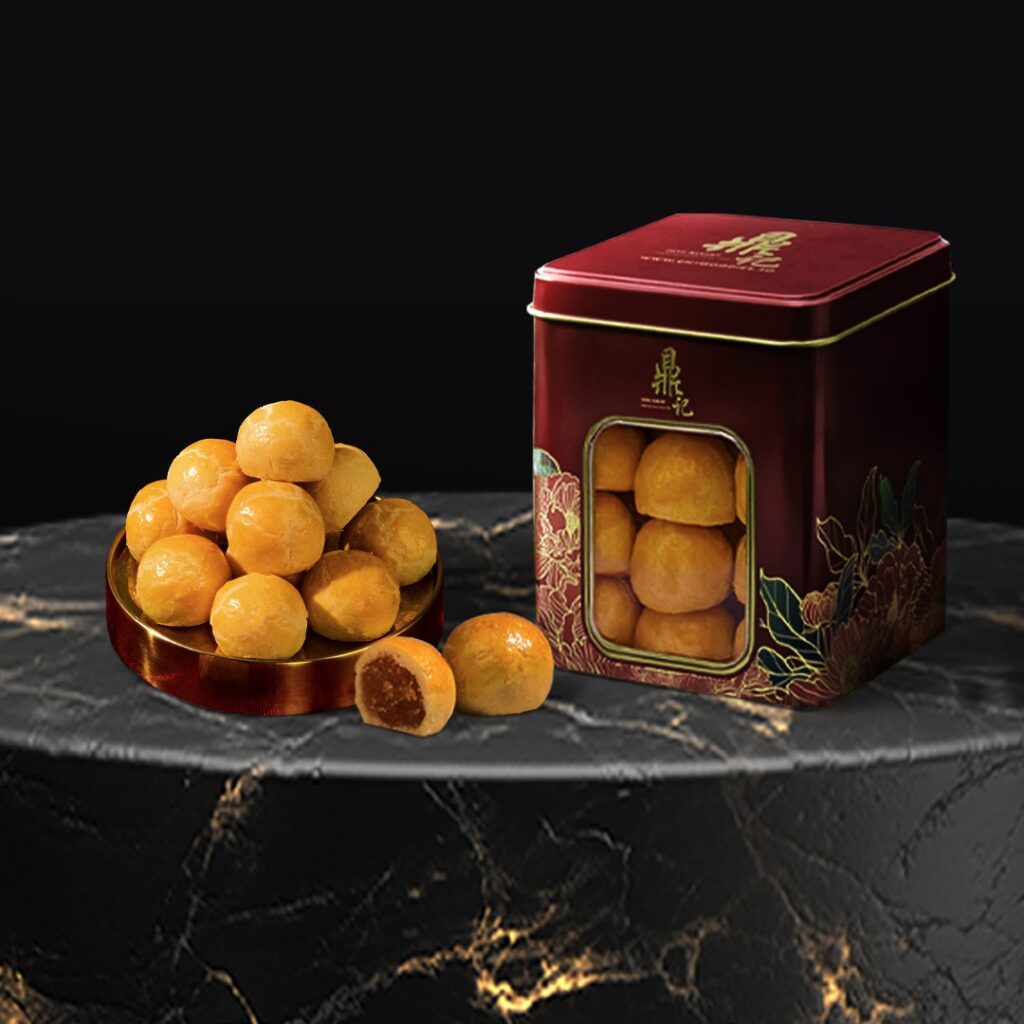
For an open-faced option, compare Nyonya Pineapple Tarts, with pineapple jam visible on the pastry. If you prefer an enclosed format, look at the French Butter Pineapple Ball.
The format is a useful starting point. Preferences for pastry, filling and flavour vary, so there is no need to treat one style as the right choice for every guest.
A flavour variation to compare
The Pandan Pineapple Ball is described on its product page as pandan pastry wrapped around pineapple jam. Check its current ingredients and pack details if you want to include a different flavour alongside your usual choice.
Choosing a variation does not change the fruit-name association behind the New Year wish.
Serving and giving pineapple tarts
For a visit, ask whether the recipient wants something to share immediately or save for another occasion. For your own table, identify the varieties and keep the ingredient information available. Check the label’s storage directions instead of relying on a general shelf-life estimate.
Before ordering gifts, confirm the packaging, quantity and fulfilment options. A product photo alone does not establish which gift wrapping is included.
Final thoughts
Pineapple tarts combine a sweet treat with a wish for a good year ahead. You can enjoy that meaning without assuming the snack guarantees luck, or that only one recipe is traditional.
Explore the pineapple tarts at CNYGoodies.sg to choose a format and flavour for your guests or gifts.
Questions about pineapple-tart meaning and gifting
Does ong lai literally mean prosperity arrives?
Ong lai is the Hokkien name for pineapple. Its sound is associated with an expression for prosperity arriving, as explained by SCCC. The festive meaning is wordplay rather than a literal translation of the fruit’s name.
Should I give open-faced tarts or pineapple balls?
Choose according to the recipient’s preference. An open-faced tart shows the pineapple jam on its pastry base; an enclosed ball wraps the filling in pastry. If you are unsure, ask which format and flavour they enjoy.
What should I check before bringing pineapple tarts as a gift?
Check the product’s ingredients, pack quantity, packaging and label directions. Confirm whether gift wrapping is included and when you can receive or collect the order. Do not assume a pictured tin or gift box is included with every option.
More CNY shopping guides
Make choosing, gifting and planning a little easier.
Best CNY Goodies for Gifting Family, Friends and Clients
Choose goodies for family visits, friends and business gifts.
Read guide
Budget CNY Goodies Singapore: Best Value Festive Snacks Without Compromising Taste
Compare your options and plan a selection around your budget.
Read guide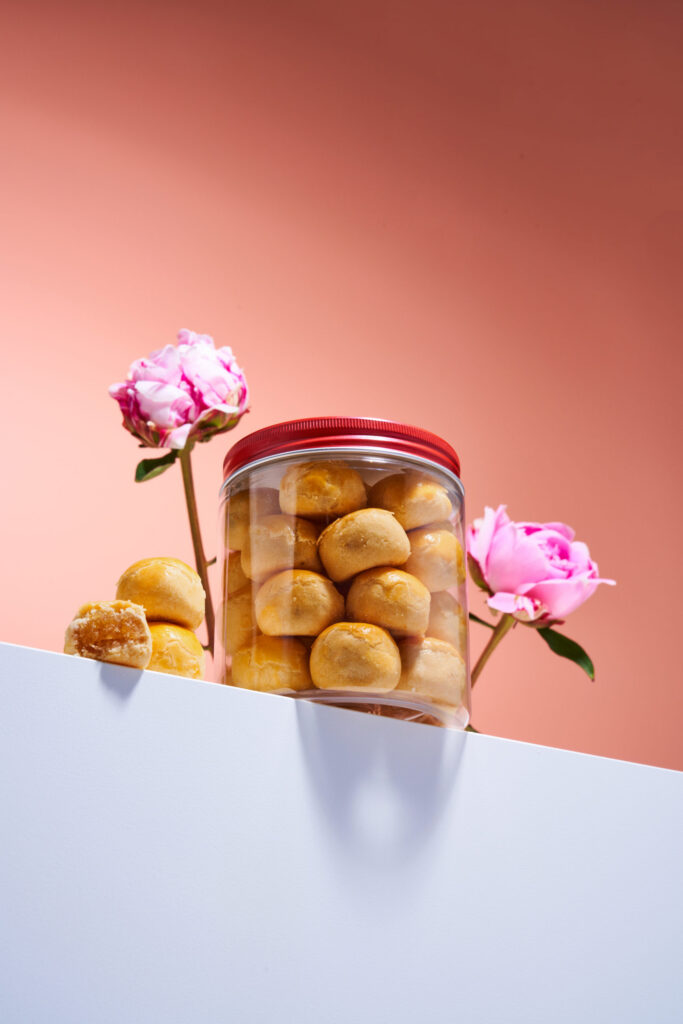
How Many Jars of Pineapple Tarts to Buy for CNY Visits in Singapore
Plan quantities for visiting, gifting and sharing at home.
Read guide
 WhatsApp Us Now